

QUIET AWAKENING
In modern life, our minds rarely rest. Thoughts move quickly from one demand to another, tension accumulates quietly in our bodies, and stress often lingers long after the day has ended. Many people live with a persistent sense of internal pressure—difficulty sleeping, racing thoughts, irritability, and a feeling that their nervous system never fully settles. Quiet Awakening was developed to address this experience directly.
Quiet Awakening is a structured relaxation and mindfulness-based training program designed by Dr. Gayle Rozantine to calm your nervous system, strengthen emotional regulation, and deepen the effectiveness of psychotherapy.
Mindfulness-Based Relaxation Training for Stress, Anxiety, and Emotional Resilience
At the heart of Quiet Awakening is the systematic use of research-based relaxation and visualization techniques designed to calm your nervous system and guide you gently from a state of hyperarousal, vigilance, and distress into a state of emotional safety and internal balance. You will learn these techniques by listening to recordings created by Dr. Rozantine, which gently guide you into a state of deep relaxation. These guided visualizations help you manage your emotions, increase self-awareness, and promote self-reflection and personal growth. The state of quiet awareness allows you to access parts of yourself that have become buried under the stress and strain created by the demands of modern life. With regular practice, you will benefit physically by reaching a state of deep relaxation and calm. You will also become aware of your internal landscape, which increase clarity, self-compassion, emotional stability, and resilience.
The Origin of Quiet Awakening
From the beginning of her career, Dr. Rozantine was interested in how emotions impact physical health. Early in her training, she was introduced to relaxation training in one of her graduate courses. She was impressed by the difference the training made in her ability to focus and to cope with the demands of graduate school.
Dr. Rozantine’s dissertation research included working with women with cardiovascular disease and breast cancer, which are two major health concerns among women. As she worked on her dissertation, she learned about the field of psychoneuroimmunology (PNI), which is the scientific study of the relationship between thoughts, emotions, behaviors, brain activity, and immune responses. PNI research helped her understand how long-term stress affects the immune system and contributes significantly to the development and progression of physical illness.
During her post-doctoral and fellowship training, Dr. Rozantine worked extensively with combat veterans at Veterans Administration hospitals and outpatient clinics. Many of the veterans suffered from Posttraumatic Stress Disorder, serious physical illness, and chronic pain. Her training included conducting biofeedback sessions, during which patients were guided through exercises using monitoring equipment and computers to increase body awareness and teach patients deep breathing, mindfulness, and visualization techniques. She also taught her patients how to use the self-regulation techniques at home to manage their symptoms of anxiety, hypertension, or headaches.
Based on the years of research, training, and clinical experience, Dr. Rozantine developed the Quiet Awakening model, which she used at The Center for Health and Well-Being in Savannah, Georgia. Dr. Rozantine believed that everyone who came to see her for therapy would be experiencing stress, which would not only be affecting them mentally and emotionally, but could also be causing physical symptoms. She believed that teaching relaxation training would not only provide relief but would also enhance her patients’ work in therapy. She decided to record not only relaxation exercises, but to write and record other scripts for patient wanting to focus on deeper issues like self-esteem, inner child work, relationship issues, and insomnia.
The Center for Health and Well-Being opened in Savannah, Georgia, in 2000.
Dr. Rozantine had a vision for creating a peaceful environment for her patients and, working with an architect and contractor, designed an office that embodied her vision. When a patient opened the door to the Center, they entered a two-story lobby with ponds and waterfalls on either side of the room. To their left was a freshwater koi pond with large koi and waterlilies. To the right was saltwater pond with smaller fish. The Center was filled with soothing sounds of water flowing down waterfalls and the calming scents of aromatherapy.
At the end of their intake session, Dr. Rozantine introduced patients to the therapeutic process she had developed, which would consist of 8 weekly sessions of relaxation training before each therapy session. After the first 8 weeks, they could choose to continue to listen to the relaxation training or they could choose another series of recordings that focused on another area of interest.
Starting with the second session, a staff member would take the patient to specially designed sound-proofed relaxation rooms that provided the optimal environment for learning relaxation techniques. The patients was seated comfortably in a recliner and the lighting was carefully adjusted to create a sense of safety and calm. They chose the nature sound they preferred --- ocean, rain, or mountain stream --- and then would spend approximately thirty minutes listening to one of Dr. Rozantine’s recordings, allowing their minds and bodies to enter a deeply relaxed and restorative state.
After the relaxation training, they would then be seen for their therapy session. These sessions became an integral part of treatment, preparing the patient to be more receptive to therapeutic work and enhancing the effectiveness of psychotherapy.
Over time, patients recognized that the training they were receiving could extend beyond the office and began to request recordings they could use at home. In response, Dr. Rozantine created a series of professionally produced recordings, which she named the Mother Nature Series, which used calming nature sounds blended with guided imagery to deepen the experience of internal stillness and healing.
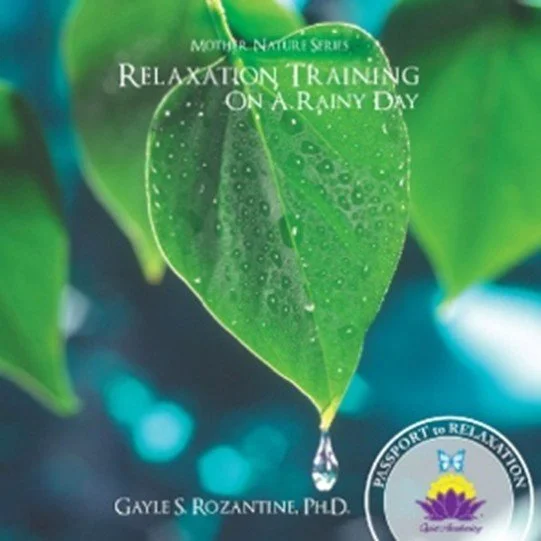
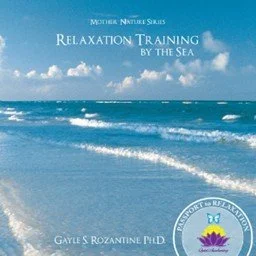
Additional recordings were developed to address specific areas of psychological growth, including strengthening self-esteem, improving sleep, connecting with the Inner Child, and healing unresolved childhood emotional wounds. resources, and accelerate their progress in therapy.
When the Center for Health and Well-Being relocated to the Wilton Center in Roswell, Georgia, in 2015, Dr. Rozantine continued to use the Quiet Awakening approach as an integral part of the treatment she has provided.
When the physical office closed in March, 2020, during the pandemic, these recordings became the foundation for a broader, more accessible therapeutic framework. The Quiet Awakening model evolved into the YES Program (Your Exceptional Self), an integrated digital system designed to help patients learn, practice, and apply these techniques in their daily lives. Through the YES Program, patients continue to use the Quiet Awakening recordings as a core resource, allowing them to quiet their mind, regulate emotional distress, and access the deeper internal capacities necessary for healing and personal transformation.
Click this link to learn more about Dr. Rozantine:
https://www.drgaylerozantine.com/yes-program
Today, Quiet Awakening remains the conceptual and clinical foundation of Dr. Rozantine’s work. It reflects the understanding that healing does not come from effort or force, but from creating the internal conditions in which the mind and nervous system can restore themselves. By learning to quiet your mind and turn your attention inward, you will begin a process of self-discovery that strengthens your resilience, restores your emotional balance, and supports lasting psychological and physical well-being.
Voices of Transformation:
Words from Those We Have Served
“Making the decision to do Relaxation Training was the first step in a life-changing process of me. I use relaxation techniques at different times and in a variety of place --- at home, at work, even in public. I feel healthier, happier, and more in control of my mind-body. My external life has not changed. I continue with an ever busier schedule in an ever-more stressful world. But my ability to cope has increased and strengthened tremendously.”
— AL“I have always had a tendency to not be able to ever relax or calm down, My life had been a go, go, go kind of experience. But since I started the relaxation training, I’m able to calm down and think things through. My life is still fast paced but it’s better since I know that I can remember breathing techniques. I love my 30 minutes of relaxation, taking time for myself has become very important to me.”
— HC“Relaxation training has enabled me to separate myself from whatever worries or concerns or angers I am experiencing in my life. It helps me to refocus on who I am, my thoughts, strengths, worth, and accomplishments so that I can deal with or handle or work through difficult issues from a stronger, more empowering vantage point rather than letting my emotions steer my thoughts and lead me to a stressful place.”
— SDSymbol of Quiet Awakening

This is the logo representing the Quiet Awakening approach.
The lotus represents rebirth. The sun represents the self. The butterfly represents transformation. Together, they capture the spirit of the Quiet Awakening model.
When the mind becomes calm and still, it becomes easier to see ourselves clearly. Insight deepens, emotions become easier to manage, and long-standing patterns can be understood with greater clarity and compassion. In that quiet space, the true self begins to emerge.

The Lotus — Symbol of Rebirth and Emergence
The lotus grows in murky, muddy water, yet rises above it to bloom untouched and pristine. It represents rebirth, resilience, and the capacity to emerge from adversity without being defined by it. It reflects our ability to transcend early wounds, overcome obstacles, heal from trauma, and reach our potential despite hardship.

The Sun — Symbol of the True Self
The sun symbolizes the core self—the stable, enduring center of our identity and consciousness. It is the organizing force that brings clarity and awareness, allowing us access to our inner truth and our authentic self. As we quiet our mind, our Sun/Self becomes more visible and less obscured by anxiety,
The Butterfly — Symbol of Transformation
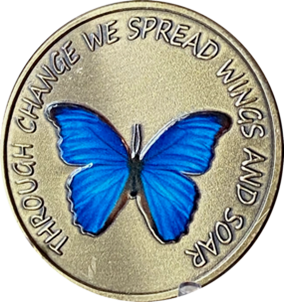
The butterfly undergoes a complete metamorphosis, dissolving before reforming into something entirely new. It represents transformation, integration, and the visible expression of internal change. As we quiet the mind and become more aware of our true self, we experience emotional shifts and healthy changes in our behavior, which are external manifestation of our deep inner work.
The Essence of the Quiet Awakening Model
When taken together, these symbols form a coherent psychological and philosophical progression:
The lotus — You rise from what has shaped you
The sun — You come into contact with who you truly are
The butterfly — You become that self in lived, visible form
Just as the lotus rises from still waters, the self begins to emerge when the mind becomes quiet. In that stillness, clarity appears—like the sun rising on the horizon—illuminating what has always been present. And from that awareness, transformation unfolds naturally, as you begin to live more fully, more freely—like the butterfly in flight..